
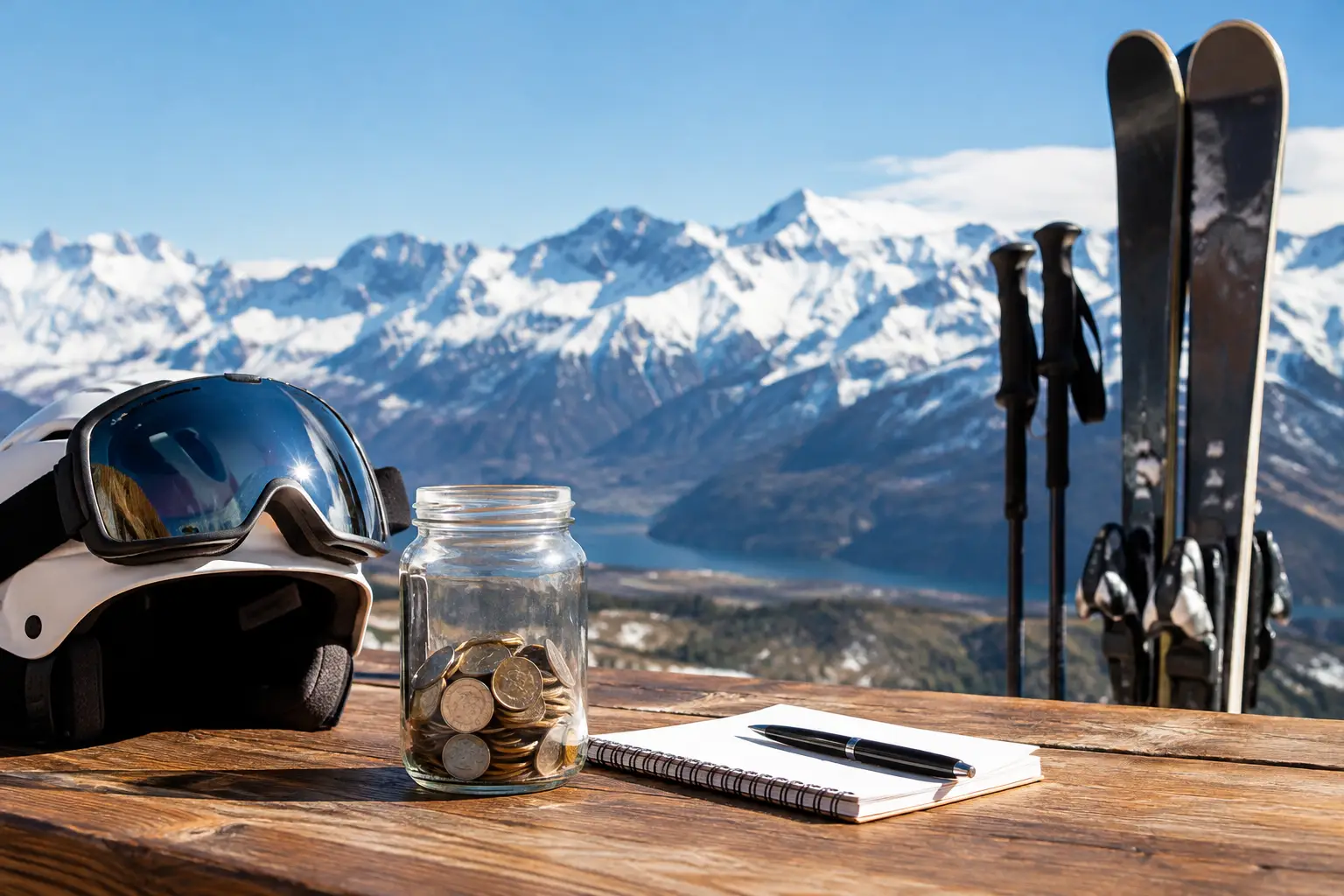
The difference between a well-planned ski trip and a string of unexpected expenses almost always begins before you even leave. When putting together your budget for skiing in Chile, it’s not enough to look only at the daily hotel rate or the ski pass: access to the mountain, transfers, equipment, meals, and the dates you choose can significantly affect the total cost.
For Brazilians, Chile has a major advantage: it offers high-end resorts in the Andes, good infrastructure for first-time travelers, and options ranging from a short getaway from Santiago to a full-fledged ski vacation. The key is to decide which experience makes sense for your group and to book the items that are interdependent.
How much does it cost to ski in Chile?
There’s no single price, because a couple’s trip during the off-season with lodging in Santiago works very differently from a week at a hotel on the slopes with children and private lessons. Still, for a stay of five to seven nights, it’s reasonable to budget between $1,500 and $4,500 per person, not including international airfare.
The more economical option includes trips during less popular dates, accommodations away from the mountain, select days on the slopes, and standard equipment rentals. The higher-end options include on-resort hotels, more days on the slopes, private transfers, lessons, mountain restaurants, and peak seasons such as July and Brazilian school vacation periods.
Rates also vary depending on exchange rates, snow conditions, how far in advance you book, and availability. Therefore, treat any estimate as a starting point, not a fixed price.
Key Budget Items for Skiing in Chile
The table below helps illustrate where money is typically spent on a winter trip. The amounts are approximate figures in U.S. dollars per person and may vary depending on the destination, the chosen category, and the time of year.
| Item | Estimated Range | Factors Affecting Cost |
|---|---|---|
| Lodging | $500 to $2,500 per week | Stay in Santiago or in the mountains, room category and occupancy |
| Ski pass | $250 to $700 | Number of days, resort, and advance purchase |
| Equipment rental | US$ 120 to US$ 350 | Skis or snowboard, equipment category, and number of days of use |
| Transfers | $80 to $450 | Shared or private transfer, accommodation location, and group size |
| Lessons | US$ 70 to US$ 500 | Group or private lessons, duration, and participants’ ages |
| Meals | US$ 250 to US$ 700 | Meals included, mountain restaurants, and travel style |
Airfare must be calculated separately. For those traveling from Brazil, airfare can represent a significant portion of the total cost, especially when purchased close to July. It’s a good idea to monitor fares in advance and avoid finalizing the rest of your trip before confirming your flight.
Accommodations: Stay in Santiago or at a resort?
This is one of the decisions that most significantly affects your budget and daily routine. Staying in Santiago generally offers a wider selection of hotels and restaurants and can lower the daily rate. On the other hand, you’ll need to factor in the daily commute to the mountains, departure times, and the possibility of traffic delays caused by the weather.
Staying right at the ski resort tends to cost more, but offers a much more convenient experience. You wake up near the slopes, avoid long commutes, and make the most of your day—especially if you’re traveling with children, gear, or people who want to ski at different paces. For a first-time trip, this convenience often justifies the investment.
Destinations like Valle Nevado, La Parva, and El Colorado make it easy to plan a ski-focused trip near Santiago. Portillo offers a more secluded and traditional experience, while Nevados de Chillán and Corralco combine snow with the scenery of southern Chile and, in some cases, thermal spa experiences. The best resort isn’t necessarily the cheapest, but the one that best suits your available time, the group’s profile, and your desired level of comfort.
Ski Pass, Rentals, and Lessons
The ski pass grants access to the lifts and slopes. Some hotels and packages include this item, while for other reservations it must be purchased separately. Always compare what’s included before evaluating the cost of lodging alone. A seemingly lower daily rate can end up being more expensive once the pass is added.
Those without their own equipment can rent skis, boots, and poles, or a snowboard and boots. A helmet is highly recommended, especially for children and beginners. Bringing winter clothes from Brazil may seem like a way to save money, but you need to consider the quality: a waterproof jacket, proper pants, gloves, base layers, and protective goggles make a real difference in comfort.
Lessons should be factored into your plans from the start. For beginners, one or two well-led lessons prevent frustration and help you enjoy the appropriate slopes more safely. Families should check the minimum age for children’s activities and the availability of instructors who speak Portuguese or English, when this is important for the children.
The time of year you travel affects more than just the price
The Chilean ski season generally runs from June to September, but conditions vary each winter. July tends to see high demand because it coincides with Brazilian school vacations. It’s an excellent time for those following that schedule, but it requires advance booking and a more generous budget.
June and September may offer a better balance between cost and availability, although it’s essential to adjust expectations based on snow conditions. In June, the full opening of the ski areas depends on snow accumulation. In September, days are longer and temperatures are potentially more pleasant, but operations may also change depending on the weather.
August is usually a balanced option for those seeking good snow coverage without the same crowds as the July vacation season. There’s no one-size-fits-all answer: families prioritize schedule and amenities; experienced skiers may prioritize trail conditions; couples may prefer dates with fewer crowds.
How to Cut Costs Without Compromising the Experience
Saving money wisely doesn’t mean cutting back on essentials. The first step is to set a realistic number of days for skiing. On a short trip, trying to ski every day can turn the itinerary into a race. For beginners, three or four days on the slopes may be enough and leave room to acclimate to the altitude and rest.
Book the main components together whenever possible. Lodging, mountain access, and transportation are interconnected: if one of them fails, the rest lose their value. Centralized planning also reduces the risk of conflicting schedules, lack of availability, or having to deal with questions in Spanish in the middle of the trip.
Traveling in a group can make private transfers and larger apartments more cost-effective per person. Couples, on the other hand, may find good value in shared transfers and hotels that include breakfast. In any case, confirm whether the price includes ski gear, a child seat when needed, and any equipment transport.
It’s also a good idea to set aside a budget for expenses not included in the package. Meals at mountain restaurants, drinks, travel insurance, extra clothing, and last-minute changes due to weather are common examples. Setting aside 10% to 15% of the total as a safety margin provides peace of mind without compromising the trip.
Frequently Asked Questions About Skiing Costs in Chile
Is it cheaper to ski in Chile or Argentina?
It depends on your departure city, the exchange rate, the type of lodging, and the time of year. Chile can be very competitive for those looking for resorts near Santiago and wanting to simplify logistics. A fair comparison should include flights, transfers, hotels, ski passes, and equipment rentals—not just the daily lodging rate.
How many days are ideal for a first ski trip?
For most beginners, five to seven nights with three or four days of skiing set a comfortable pace. This allows time for lessons, rest, and better acclimatization to the altitude, especially at higher Andean resorts.
Do I need to buy ski clothes before traveling?
You need to have appropriate clothing, but you don’t necessarily have to buy everything. Items like base layers, thermal socks, and well-fitting gloves are usually worth the investment. Technical gear may be available for rent at some destinations, but this option should be confirmed before your trip.
Planning a ski trip means deciding where to invest so that your days on the mountain are carefree, safe, and memorable. With a well-thought-out itinerary and coordinated services, your budget becomes more than just a list of expenses—it supports the experience you truly want to have in the Andes.


