
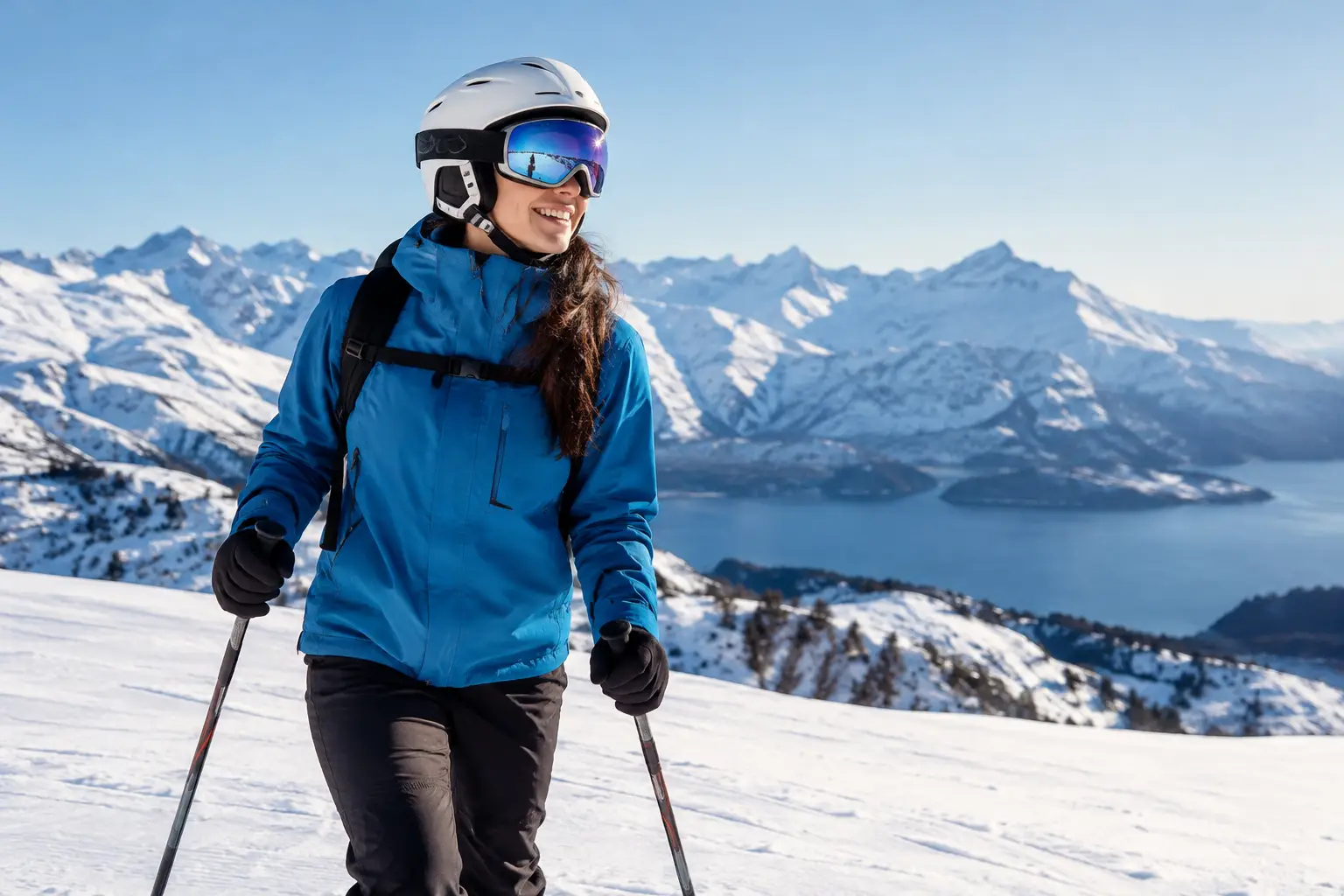
The first run usually begins even before you hit the slopes: with choosing the right ski resort, accommodations, and how to get to the mountain. For those looking for beginner-friendly skiing in Chile, this planning makes all the difference between spending the day worrying about logistics and enjoying the snow with confidence—even if you’ve never put on a pair of skis before.
Chile is a particularly appealing destination for Brazilians because it allows you to combine the experience of the Andes with a well-organized trip. There are resorts near Santiago, options with a resort-like atmosphere, and quieter destinations for a longer stay. The best place isn’t necessarily the biggest or the most famous—it’s the one that offers suitable slopes, a ski school, convenient access, and the travel pace your group is looking for.
What Makes a Ski Resort Good for Beginners
Beginners need more than just snow. Spacious, gentle areas for learning, easy-to-use conveyor belts or chairlifts, on-site equipment rentals, and available lessons are factors that help ease the anxiety of the first day.
It’s also worth considering where you’ll stay. Staying on the mountain has the advantage of waking up close to the slopes, avoiding daily commutes, and having more time to rest between lessons. On the other hand, staying in Santiago can work well for short trips and for those who want to include dining, shopping, and city tours. The choice depends on the number of days, your willingness to travel up into the mountains, and each traveler’s preferences.
| Trip Profile | Best Type of Base | Main Advantage | Point to Note |
|---|---|---|---|
| Couple on their first trip | Mountain hotel | More comfort and easy access to classes | Generally higher cost |
| Family with children | Resort with a children’s school | Simple routine and activities all in one place | Book classes and accommodations in advance |
| Group of friends | Santiago with organized transfers | Flexibility to combine city and snow | Early departures and travel time |
| Trips of one week or longer | Resort accommodations | More days to improve your skiing | Less city sightseeing |
Just outside Santiago, Valle Nevado, La Parva, and El Colorado offer excellent infrastructure and are worth considering depending on the experience you’re looking for. Valle Nevado tends to attract those who prioritize comprehensive hotel amenities and high-mountain scenery. La Parva may appeal to travelers seeking a more residential atmosphere, while El Colorado is often chosen by families and those looking for areas geared toward learning. Snow conditions, trail openings, and available services vary throughout the season, so recommendations should always take your travel dates into account.
For a different experience from the Santiago region, Nevados de Chillán combines skiing, volcanic landscapes, and leisure options. Portillo has a classic, intimate vibe, while Corralco is a nature-surrounded alternative in the south of the country. For beginners, the key considerations remain the same: confirm the availability of green runs, lessons in the appropriate language or with accessible communication, and services close to your lodging.
Skiing for Beginners in Chile: Why Lessons Are Worth It
It’s possible to learn a few moves with friends, but a lesson on the first day usually speeds up progress significantly. The instructor teaches the basic stance, how to brake, turn, use the chairlift, and fall safely. Most importantly, they help students identify which slope matches their actual skill level.
Many beginners are afraid of being the only ones with no experience, but ski schools welcome adults and children who are starting from scratch every day. Group lessons are a good choice for those who want to stick to a budget and enjoy learning with others. Private lessons offer one-on-one attention and can be ideal for families, couples, or travelers who are short on time and want to progress more quickly.
Don’t try to make up for your lack of experience by starting on a blue run just because it looks easy in the photo. The rating is a guideline, but slope angle, visibility, snow accumulation, and traffic on the run can all affect how difficult it feels. Repeating a green run several times isn’t a waste of time—it’s about building balance and control so you can enjoy the rest of your trip with greater peace of mind.
How long does it take to learn?
With one lesson and a few hours of practice, many people can already glide, brake, and make basic turns on gentle terrain. To ski down green runs independently, two or three days of skiing usually provide a more comfortable foundation. Still, everyone progresses at a different pace.
Children often adapt quickly, but they need breaks, dry clothes, and age-appropriate activities. Athletic adults can learn quickly, but they should be mindful of muscle fatigue, especially on the first day. The goal isn’t to hit a certain number of runs, but to end the day feeling eager to get back on the snow the next day.
Equipment: What to Rent and What to Bring from Brazil
For your first trip, renting skis, boots, poles, and a helmet at your destination is usually the most practical choice. Your boots should fit snugly but shouldn’t cause severe pain or numbness. Let the rental staff know you’re a beginner so they can provide equipment suited to your skill level and ensure a proper fit.
Some personal items are worth paying attention to because they make a difference in comfort:
- waterproof jacket and pants, preferably designed for snow;
- waterproof gloves, ski socks, and thermal base layers;
- sunglasses or a ski goggle, as well as sunscreen and lip balm;
- a change of dry clothes for the end of the day.
The cold in the mountains isn’t just about the temperature. Wind, altitude, and humidity can turn a pleasant morning into a much more challenging afternoon. Dressing in layers allows you to adjust your clothing so you don’t get too hot during physical activity or too cold during breaks. Jeans, regular sneakers, and wool gloves without waterproofing may seem economical, but they tend to ruin the experience when they come into contact with snow.
Transportation and Altitude: The Details That Prevent Unexpected Problems
Getting to the mountain requires planning. In winter, access roads may have vehicle restrictions, mandatory use of snow chains under certain conditions, and ascent and descent schedules set by the authorities. For this reason, driving without experience in snowy conditions is rarely the most comfortable option for first-time travelers.
A transfer booked in advance eliminates uncertainties regarding the route, luggage, and departure time. For those staying in Santiago, it’s important to plan an early departure, as traffic and road conditions can extend the travel time. For those staying at the resort, the transfer from the airport or the city to the mountain should be coordinated according to your flight schedule and check-in time.
Altitude also calls for common sense. Drink water throughout the day, avoid overindulging in alcohol on the first night, and plan your arrival so you don’t have to engage in intense physical activity right away. Mild headaches and fatigue may occur, but severe or persistent symptoms require attention from the local staff and a medical evaluation. Traveling with adequate insurance for snow sports is an essential precaution.
When to Go and How Many Days to Plan For
The snow season in Chile generally runs from June to September, with variations depending on the destination and weather conditions. July tends to be busy due to Brazilian school vacations. August can offer a good combination of snow cover and slightly longer days, although there’s no guarantee of mountain weather.
For a first-time experience, three nights in the mountains or four to five nights split between Santiago and the mountains allow you to ski at a leisurely pace. A one-day trip can provide photo opportunities and an initial taste of the snow, but leaves little time for lessons, acclimatization to altitude, and technical improvement. If the goal is truly to learn, two or three days of skiing are more appropriate.
Frequently Asked Questions
Do I need to speak Spanish to ski in Chile?
Not necessarily. Still, having reservation support in Portuguese or English makes it easier to arrange transportation, lodging, and lessons. On the slopes, some basic terms help, but visual cues and the instructors’ guidance are usually clear.
Which is easier for beginners: skiing or snowboarding?
Many people feel that skiing allows you to control your speed sooner, while snowboarding may involve more falls in the first few days. There’s no one-size-fits-all answer. For a short trip, skiing is usually a practical choice for those who want to hit the gentle slopes quickly.
Is it worth taking children who have never seen snow?
Yes, as long as the trip is paced realistically. Choose functional accommodations, include age-appropriate lessons, and don’t pack the itinerary with too many activities. Breaks to warm up, eat, and play in the snow are also part of a good first experience.
A well-planned ski trip doesn’t require you to be an athlete or have prior mountain experience. With the right resort, reserved lessons, proper equipment, and reliable transportation, your first run down the Andes could be the start of a winter tradition for your family or group of friends.


