
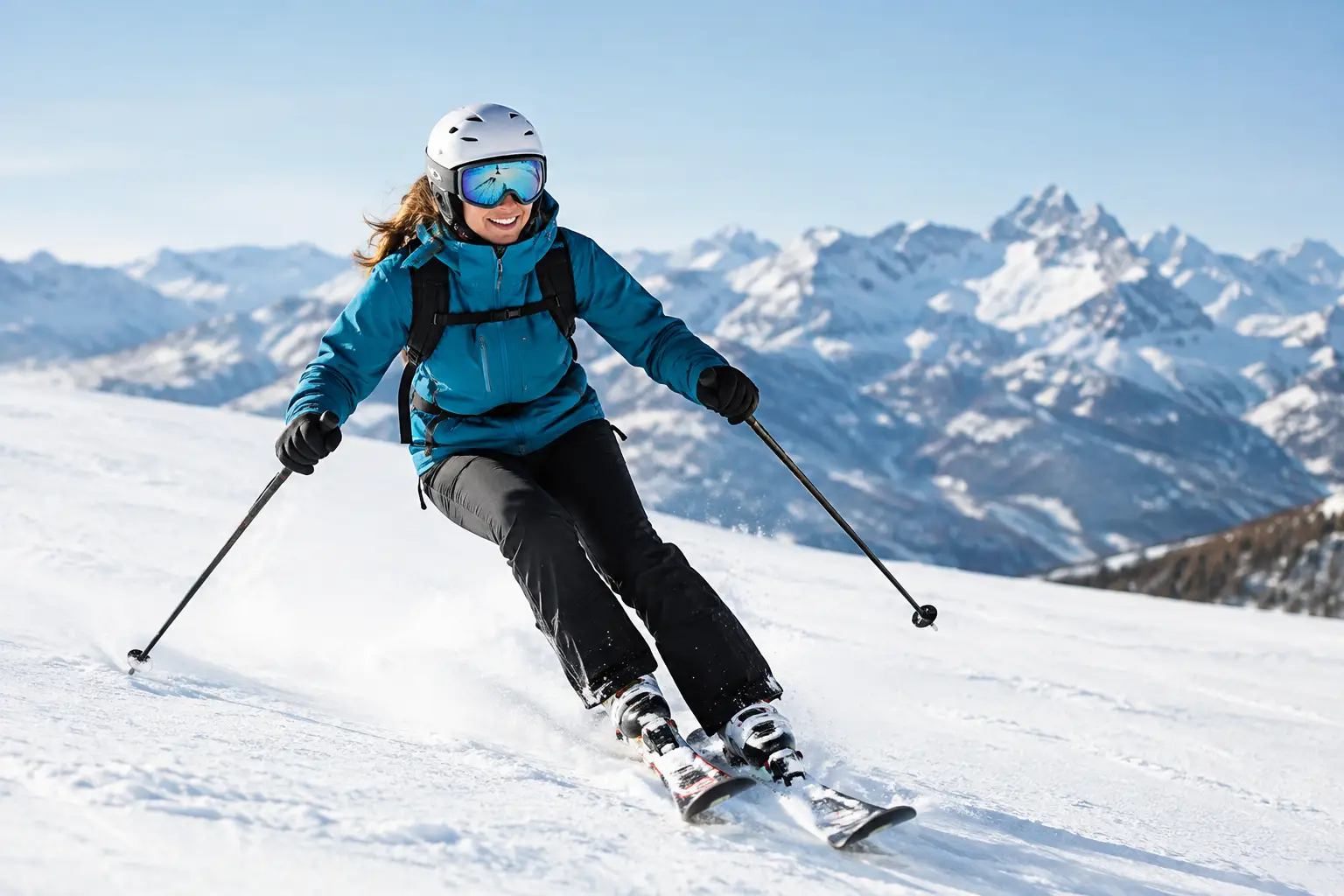
The first run usually starts on a gentle slope, with boots that feel strange and a very straightforward question: How many days does it take to learn to ski? For most beginners, three to five days of guided practice are enough to gain confidence on easy slopes, learn to control their speed, and, most importantly, enjoy the snow safely. This doesn’t mean skiing on just any terrain, but rather building a solid foundation to enjoy the trip.
In Chile, this timeframe also influences the entire organization of the vacation. Those who book just one day may have a fun experience, but they tend to spend much of it getting used to the equipment, the altitude, and the basic movements. On the other hand, a four- or five-day ski trip allows you to learn at a leisurely pace, rest between activities, and include the elements that make for a great season in the Andes: scenery, cuisine, hotel comfort, and quality time with family or friends.
How many days does it take to learn to ski in practice?
There’s no single answer because age, physical fitness, confidence, and the quality of instruction greatly affect the pace. Still, there’s a common progression for adults and children who’ve never been on the snow before.
On the first day, the focus is on getting used to the boots, skis, and poles, as well as learning to stand up, glide on flat terrain, brake, and make wide turns. It’s a day full of discoveries. Your legs work differently, and stopping correctly is usually the first big achievement.
On the second day, beginners usually start linking turns, controlling their speed better, and using lifts appropriate for the learning areas. With a well-led lesson, the feeling of instability diminishes, and skiing becomes more enjoyable.
Between the third and fifth days, many people are already able to ski green runs independently and safely, at their own pace. Some move on to easy blue runs, provided that snow conditions, visibility, and the instructor’s guidance are favorable. It is at this stage that the trip ceases to be just a first experience and begins to feel like a real ski vacation.
| Time on the Snow | Most Common Progression | Best-Case Scenario |
|---|---|---|
| Day 1 | First contact, braking, and balance | Trying out the sport |
| 2 days | Basic turns and greater control | Find out if you like skiing |
| 3 days | More confidence on easy slopes | Enjoy beginner areas |
| 4 to 5 days | Independence on green runs | Enjoy the resort with less anxiety |
| 6 or more days | More consistent technique and gradual improvement | Combine learning and relaxation |
The chart is a guide, not a guarantee. An active traveler may progress quickly, while someone who is afraid of speed may need more time. Both types of travelers can have an excellent trip if their expectations align with their goals.
Lessons Shorten the Learning Curve and Increase Safety
For beginners, lessons in the early days make all the difference. Trying to learn solely by watching well-meaning friends often leads to fatigue, poor posture habits, and frustration. An instructor explains how to distribute your body weight, how to look in the direction of the turn, and how to use the terrain to your advantage while learning.
Group lessons are a social option and usually bring together students of similar skill levels. Private lessons, on the other hand, are recommended for those who want one-on-one attention, are traveling with young children, have limited time available, or prefer to progress at their own pace. For families, a well-organized ski school also ensures that adults and children have activities suited to their respective skill levels.
There’s an important point to note: the body learns best through focused, but not endless, sessions. For a beginner, two or three hours of instruction, followed by light practice and breaks to stay hydrated, usually yield better results than pushing until exhaustion. Fatigue compromises technique and increases the risk of falls.
What Can Speed Up or Slow Down Your Progress
Physical fitness helps—especially leg strength, mobility, and balance—but you don’t have to be an athlete to learn. People with no athletic experience also make good progress when they respect their own limits. The biggest mistake is comparing your second day to the fifth day of someone who has already taken lessons on a previous trip.
The snow and weather also play a role. Clear days make it easier to read the terrain and give beginners more confidence. Fog, strong winds, or very packed snow can make the experience more challenging. That’s why a multi-day stay is more comfortable: if visibility is poor one day, you won’t feel like you’ve missed your only chance to ski.
The altitude of the Andes deserves special attention. Some Chilean ski resorts are located at high elevations, and it’s wise to arrive with plenty of time to rest, drink water, and avoid overexertion on the first day. Getting a good night’s sleep, using sunscreen, and dressing in layers are simple precautions that help more than you might think.
How many days should you set aside for your first ski trip to Chile?
If your goal is to learn and truly enjoy the mountains, plan for four to five days of skiing as part of a six- or seven-night trip. This timeframe balances progress, acclimatization, and rest. It also allows for travel time, transfers, and possible adjustments due to the weather.
A shorter, three-night trip might work for those who just want to try skiing and are already staying in Santiago or have a limited schedule. In that case, two days on the slopes are more realistic than trying to pack in every minute. The priority should be a good lesson on the first day and comfortable gear, not the number of runs completed.
For families, a seven-night stay usually makes for a more relaxed experience. Children need breaks, and parents generally appreciate not having to rush between breakfast, equipment rental, ski school, and transportation. When accommodations, mountain access, and transfers are planned in advance, there’s more energy left for what really matters: spending time together and enjoying the snow.
Those who already practice board sports may wonder whether to choose skiing or snowboarding. Although balance and body confidence help, the movements are different. In general, skiing offers a faster initial learning curve for many adults, since each leg moves independently and braking is intuitive. Snowboarding may involve more frequent falls in the early days, but it’s an excellent choice for those who identify with the style and are willing to put in a bit more effort to adapt at first.
How to Make Your First Few Days More Comfortable
Choosing the right clothing and equipment isn’t just about looks. Boots that fit properly, appropriate socks, and a well-adjusted helmet make the learning experience much more enjoyable. The boots should fit snugly, without being so tight that they cause pain. Let the rental staff know if you feel numbness, excessive pressure, or persistent discomfort—it’s not worth spending the day in pain just to keep going.
Dress in layers: a thermal layer next to your skin, a mid-layer for warmth, and a waterproof jacket on top. Waterproof gloves and ski goggles are especially useful on cold, windy, or snowy days. Even when the temperature seems low, the mountain sun is intense; be sure to bring sunscreen and lip balm.
It’s also a good idea to choose runs and areas suited to your skill level, without the pressure of keeping up with experienced skiers. Chilean ski resorts feature beginner areas, appropriate lifts, and specialized ski schools. By arranging lodging and transportation in advance, travelers can avoid making rushed decisions upon arrival and start their first day feeling more energized. ChileanSki.com can assist with this integrated planning for those seeking a trip with coordinated logistics.
Frequently Asked Questions About Learning to Ski
Can you learn to ski in a day?
You can learn the basics and have fun in a beginner’s area. However, a single day is rarely enough to develop consistent independence, comfort, and control. Think of it as an introduction to the sport.
Do children learn faster than adults?
Many children learn naturally because they’re less afraid of falling and respond well to playful lessons. Still, the pace varies depending on age, sleep, the cold, and their mood that day. Short lessons tailored to their age group usually work best.
Do I need to buy clothes and equipment before the trip?
Not necessarily. Renting skis, boots, poles, and a helmet is practical for a first-time experience. If you already have waterproof winter clothing, you can bring it, but make sure it’s suitable for snow and wind.
Is it best to ski every day?
For beginners, four or five consecutive days can work if you take breaks and keep the intensity moderate. If you experience severe muscle soreness or excessive fatigue, a rest day can improve your performance the next day. Learning while having fun is more valuable than meeting a strict goal.
The best first trip isn’t the one where you try to keep up with people who’ve been skiing for years. It’s the one where, at the end of the day, you realize you made a controlled turn, looked out at the Andes, and felt like getting back on the slopes tomorrow.


