
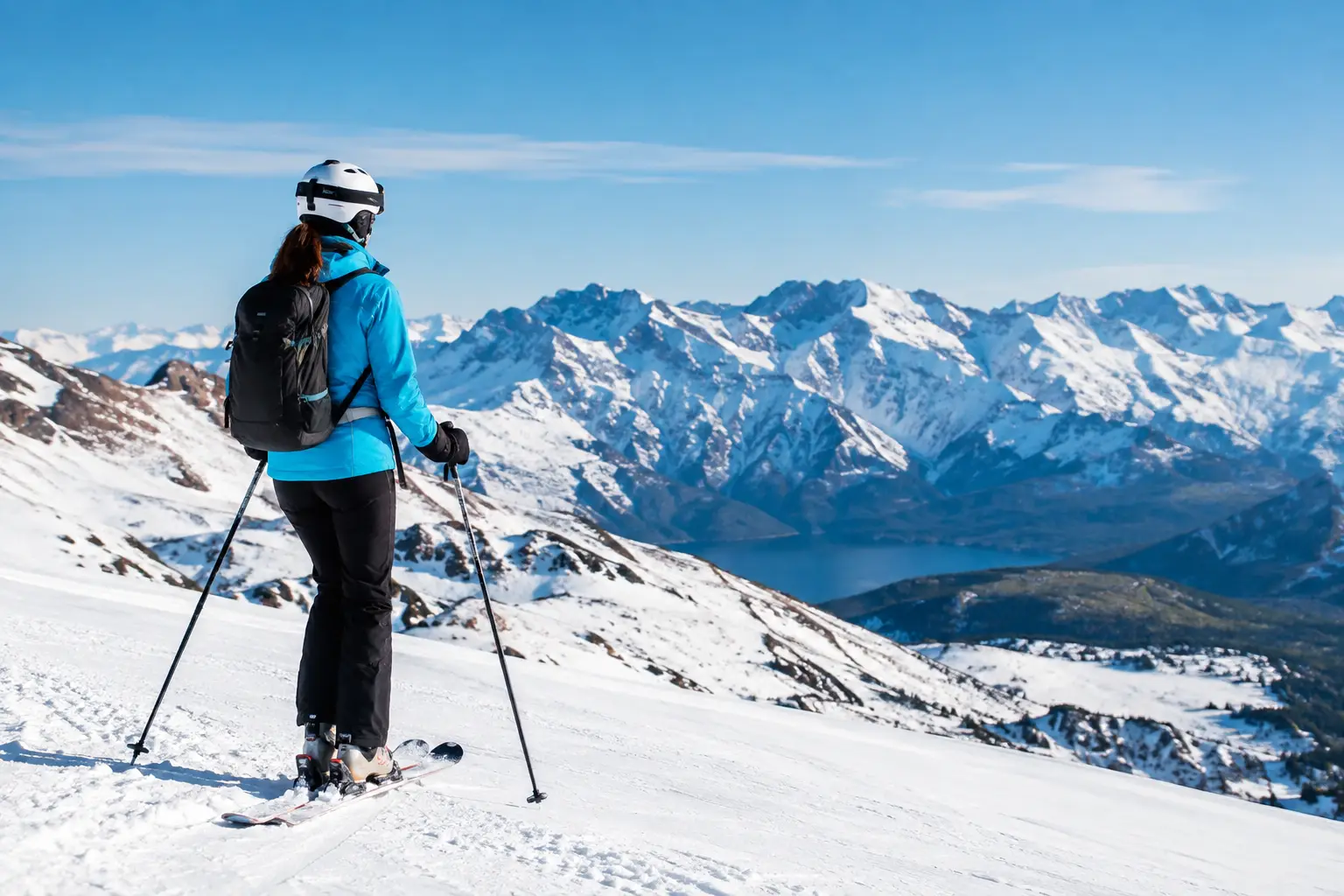
Skiing in Chile in June can be an excellent choice for those who want to kick off the ski season in the Andes, but the quality of the experience depends more on the altitude, the week chosen, and the flexibility of the itinerary than on the calendar itself. It’s the start of winter: some resorts are already operating very well after the first significant snowfalls, while others still have only partially open slopes and lifts.
For Brazilian travelers, June also offers a practical advantage: in general, it’s easier to find available lodging and more reasonable rates than during the busier weeks of July. On the other hand, you need to book wisely, monitor conditions, and avoid expecting 100% of the skiable area to be open from day one.
What’s the snow like in Chile in June?
June marks the transition to winter in the Andes. Temperatures drop, the mountains receive their first snowstorms, and resorts begin to prepare or expand their operations. Still, natural snowfall varies from year to year. A heavy snowfall early in the month can quickly transform the landscape; a drier or warmer season can delay the full opening of lower-elevation areas.
For this reason, travelers visiting during this time should look beyond the snow forecast for the city of Santiago. What matters are the conditions in the mountains, especially the elevation of the base and the higher slopes. Resorts near the capital, such as Valle Nevado, La Parva, and El Colorado, are usually good options at the start of the season because they are located at higher elevations. Portillo is also worth considering for those seeking a more secluded mountain hotel experience and a trip centered around the resort.
Nevados de Chillán and Corralco offer a different kind of experience, featuring nature, lodging, and, in some cases, wellness attractions that make the trip worthwhile even when skiing isn’t the sole focus. However, in June, the decision should be made with special attention to each resort’s operational status.
Who is June best for?
The month works very well for couples, groups of friends, and travelers who appreciate less crowded slopes, quieter restaurants, and the chance to experience the first days of the Andean winter. It can also suit families, provided the trip is planned with flexibility to accommodate operational changes and includes alternative activities for children when they’re off the slopes.
For beginners, June can be a good opportunity if the chosen resort has learning areas in operation and offers lessons. It’s not recommended to base your decision solely on price. Savings on the daily rate lose their value if the slopes suitable for your skill level aren’t yet open or if the daily commute to the snow makes the routine exhausting.
Experienced skiers, on the other hand, should view June as a period of well-managed anticipation. With good snowfalls, it’s possible to find excellent snow and less crowded slopes. Without them, the available terrain may be more limited than in July, August, or September. Those who prioritize maximum variety of runs and off-piste skiing tend to feel more confident traveling later in the season.
Where to Ski in Chile in June: How to Compare Options
The ideal choice isn’t just about the most famous resort. It depends on your group, your budget, the time you have available, and how much you want to rely on the resort’s operating conditions.
| Trip Profile | Best approach in June | Point to Note |
|---|---|---|
| First trip to the snow | Choose a resort that offers lessons, rentals, and lodging or coordinated transfers | Confirm that beginner areas are open |
| Couple looking for comfort | Stay on the mountain or at a hotel with full amenities | Consider the higher cost of lodging at high altitudes |
| Family with children | Prioritize convenient logistics and activities beyond skiing | Check the minimum age and schedule for ski schools |
| Group of friends | Combine flexible dates with options at various levels | Avoid booking non-refundable activities too far in advance |
| Advanced skier | Travel after a period of snowfall and monitor resort reports | Some advanced areas may open gradually |
Staying on the mountain reduces one of the main logistical risks in June: the road. When there is snow, snow chains may be required, and the times for ascending and descending may change depending on road conditions. For those staying in Santiago, transfers must be planned in advance and operated by crews accustomed to winter conditions.
Staying in Santiago can be a good choice for those who want to explore the city, enjoy a wider variety of dining options, and stay within budget. Staying at the resort, on the other hand, allows you to wake up near the slopes, avoids daily commutes, and makes it easier to manage routines involving children, lessons, and equipment rentals. There’s no one-size-fits-all answer: a short stay of three or four nights usually makes the most of the mountain experience, while longer trips can combine city and snow.
What to Book Before You Travel
In June, planning doesn’t mean being rigid. It means securing the essentials that safeguard your trip and leaving some flexibility to adapt your itinerary to actual conditions on the mountain.
Book lodging, transfers, and lift passes in advance, especially if your group includes children or has fixed dates. It’s also a good idea to arrange lessons for the first few days, as instructors who speak Portuguese or English may have limited availability. In many cases, you can rent clothing and equipment locally, but confirming sizes and special needs will save you time upon arrival.
Pack in layers: a base layer, a thermal mid-layer, and a waterproof jacket. Gloves, goggles, sunscreen, and lip balm are essential. The combination of strong sun, cold wind, and high altitude is common in the Andes, even on clear days.
Also be sure to include travel insurance with adequate coverage for snow sports. If you have any health conditions, consult your doctor before the trip, especially regarding altitude. Staying hydrated, getting plenty of rest on the first night, and drinking alcohol in moderation help your body adapt more easily.
The Importance of Monitoring Resort Operations
The weather forecast is helpful, but it is no substitute for operational announcements. In June, a resort may have enough snow in higher sectors and keep lower areas closed, or open gradually after a snowstorm and slope preparation work.
Before heading to the mountains, check which lifts and runs are open, whether there are road restrictions, and what the return times are for the shuttle service. This routine is especially important for those planning a day trip from Santiago. On days with strong winds or heavy snow, safety always takes precedence over the schedule.
A specialized agency like ChileanSki.com helps organize lodging, transportation, and reservations with a practical understanding of how each destination operates. For visitors who don’t speak Spanish or who are traveling with family, having personal support to coordinate schedules and alternatives makes all the difference when the weather requires adjustments.
Frequently Asked Questions About Skiing in Chile in June
Is there enough snow in June?
There may be, especially at higher elevations and after heavy snowfalls, but snow coverage and the number of open runs vary by season. Don’t assume June guarantees full operations. When choosing dates, it’s best to remain flexible and confirm the resort’s status closer to your trip.
Is June cheaper than July?
Often, yes, especially outside of holidays and school weeks. The difference, however, depends on lodging, transportation, and how far in advance you book. A lower rate can be advantageous if your itinerary allows for the possibility of limited operations.
Is it possible to learn to ski in June?
Yes, as long as there’s a beginner’s area and lessons available. For your first time, prioritize safety, an instructor, and comfortable logistics rather than trying to cover too many runs in just a few days.
Do I need to rent a car?
Not necessarily. In winter, driving to the resorts requires experience on mountain roads, attention to snow chains, and adherence to safety rules. Coordinated transfers are usually the most stress-free option for those who want to enjoy the trip without worrying about driving.
June rewards travelers who trade rigid plans for good planning: choose a destination that suits your style, keep your expectations realistic, and leave room for the mountains to set the best pace for your week.


