
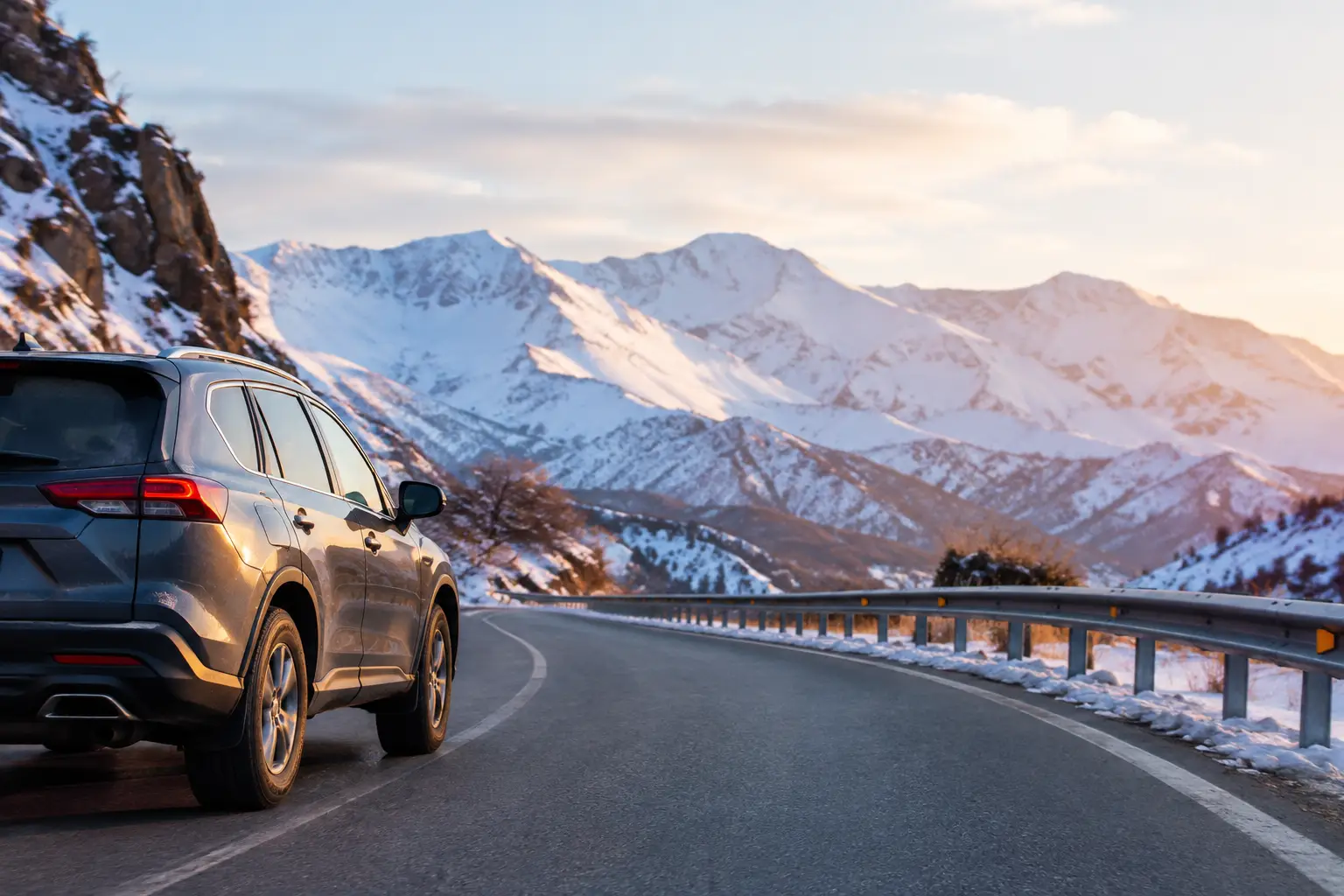
A mountain road isn’t like a typical urban route. On snowy days, the road conditions on the way to Farellones can determine whether your morning starts on the slopes or with a long wait at the base of the mountain range. For those leaving Santiago bound for Farellones, El Colorado, La Parva, or Valle Nevado, understanding traffic control on the route is an essential part of planning.
The most important rule is simple: don’t plan your trip based on a fixed schedule announced months in advance. Road operations depend on the weather, snow accumulation, ice on the road, traffic, and decisions by local authorities. During the winter season, it’s common to have separate time windows for ascending and descending, but these can change even within the same day.
How the road schedules for Farellones work
The main access route to the region is Route G-21, known for its many winding sections between Santiago and Farellones. During the winter, especially after snowstorms, a one-way system may be implemented based on time slots: during one period, priority is given to ascending traffic; later, the road switches to allow descending traffic.
Under typical winter conditions, traffic heading uphill is often concentrated in the morning, while traffic heading downhill begins in the early or mid-afternoon. However, do not treat this division as a guarantee. A storm, an accident, a vehicle without proper equipment, or the need to clear the road can delay the opening or restrict access.
The best approach is to check the official road conditions the day before and again on the morning of your trip. If you’re using organized transportation, confirm the departure time in advance and keep your cell phone handy to receive updates.
Why does the road have one-way traffic control?
The G-21 has sharp curves, long uphill stretches, and sections where passing is limited. When there is snow or ice, slow-moving vehicles, cars with snow chains, and buses share very little space. Separating traffic flows reduces congestion and prevents cars from getting stuck at critical points along the climb.
For travelers, this means that leaving Santiago late can be a bad idea. Even if the ski resort is open, you might miss the window for the ascent or arrive with only a few hours left to ski. Similarly, delaying your departure from the mountain may leave you facing a line of descending vehicles or temporary restrictions.
Departure Time: When to Leave Santiago
To make the most of a day on the slopes, the practical recommendation is to leave early. Shuttles to the region’s ski resorts typically begin picking up passengers in the early morning hours, with the goal of crossing the urban area before traffic picks up and reaching the base of the mountain range within the ascent window.
The distance in kilometers doesn’t tell the whole story. The final stretch requires reduced speed, and travel time can increase significantly on weekends, holidays, days with fresh snow, and during school breaks. A trip that looks short on the map can take several hours when there are traffic checks, snow chains required, and heavy traffic.
| Situation | Recommended Planning |
|---|---|
| Dry day, with no snow forecast | Leaving early is still the best option, as weekend traffic can be heavy. |
| Snow forecast or recent snowfall | Allow for significant extra travel time and confirm whether snow chains are required before departing. |
| Weekend or holiday | Avoid late hours. The ascent tends to attract large crowds. |
| Lodging on the mountain | Arrive before peak hours and don’t wait until late afternoon to start the ascent. |
Those staying in Santiago and planning a day trip should consider one additional factor: on many routes, the descent begins before dark, even when the slopes still seem inviting. It’s not just a matter of comfort. It’s a way to respect road conditions, avoid fatigue at the end of the day, and return with greater predictability.
Snow chains, tires, and vehicles: what can hinder the ascent
At winter checkpoints, authorities may require snow chains, even when the road appears clear as you leave Santiago. The weather changes rapidly with altitude, and a dry stretch can give way to packed snow just a few kilometers further on.
Private cars without snow chains, without adequate traction, or with incompatible equipment may be prevented from continuing. It’s also not recommended to buy snow chains if you don’t know how to install them. Stopping for the first time on a slippery curve to figure out how to fit the equipment poses risks and delays all the surrounding vehicles.
For international visitors, renting a car may seem like a flexible solution, but that flexibility comes with responsibility. You need to check whether the rental company authorizes driving in the mountains, whether snow chains are included, whether the insurance covers this type of route, and whether the driver feels confident driving on snowy roads. For families with children, groups, and people with no experience driving in winter conditions, a shuttle service usually offers a more stress-free journey.
A driver familiar with the route knows the checkpoints, monitors road conditions, and schedules the return time based on the day’s conditions. This attention to detail reduces the chance of turning a planned trip to the snow into a constant worry about parking, ice, and descent times.
How to monitor road conditions on the day of your trip
The most reliable information comes from updates issued by the authorities responsible for the road and local traffic agencies. Since conditions change, an update posted in the evening serves as a reference, not as definitive confirmation for the following morning.
When planning your trip, confirm four key points: whether the route is open, what the ascent and descent times are, whether snow chains are required, and whether there are restrictions on certain types of vehicles. If you’re staying at a hotel or have booked transportation, ask the staff to confirm this information for you.
It’s also worth checking the snow forecast, but don’t interpret the forecast in isolation. Light snow may not cause significant changes, while strong winds, ice, or heavy snowfall can completely alter operations. The final decision always depends on the actual road conditions.
Do not confuse access to Farellones with guaranteed access to the ski resorts
Farellones is the gateway to a vast area of the Central Mountain Range. The road may be open up to a certain point, while access to a specific ski resort may be subject to different operational conditions. On days with severe weather, chairlifts, lessons, beginner areas, or higher-altitude sectors may have their own adjustments.
Therefore, plan your trip as a whole: road, transportation, equipment, weather, and mountain operations. Those who book only transportation without considering these factors may have a less enjoyable experience, even if they reach their destination.
Tips for Not Wasting Your Day on the Snow
Prepare your clothes, documents, and accessories the night before. In the morning, every extra stop can cost you time, especially when the lift lines are at their busiest. Bring water, sunscreen, appropriate sunglasses, and an extra layer of clothing, as altitude and wind can cause the wind chill to vary significantly.
If you need to rent clothing or equipment, factor the time this will take into your itinerary. For beginners, arriving early also allows you to rent gear at a leisurely pace, adjust your boots properly, and receive instructions before heading out onto the snow. Families with children should allow even more time, as getting the little ones dressed and organizing breaks takes time.
Upon returning, follow the schedule provided by the driver or the lodging staff. The last run of the day is precisely when fatigue, low visibility, and heavy traffic can all come together. A well-coordinated return trip helps ensure a comfortable experience from start to finish.
Frequently Asked Questions About the Road to Farellones
Does the road to Farellones close every day in winter?
No. It’s more common for traffic to be regulated at certain times when conditions require it. However, heavy snowfall, accidents, cleanup work, and ice can cause temporary closures or restrict access.
Can I drive up to Farellones at any time?
Not necessarily. During the winter, the route may operate with set schedules for ascending and descending. Check the official information on the day of your trip before leaving Santiago.
Are snow chains required?
They may be required depending on road conditions. Even if you aren’t using them at the time of departure, bringing them along when snow is forecast is an essential precaution for those traveling by private car.
Is it worth booking a transfer?
For many visitors, yes. A shuttle service eliminates the hassle of driving in the mountains, dealing with snow chains, finding parking, and navigating traffic changes. It’s an especially convenient option for those traveling with family, who don’t speak Spanish, or who are visiting the snow for the first time.
The mountain range rewards those who come prepared. By treating travel times as part of the experience—rather than a last-minute detail—you’ll have more time to enjoy the snow, the scenery, and your day in the mountains.


